Check Engine Light On (or Off Again)? What It Means and When to Worry
Check engine light issues
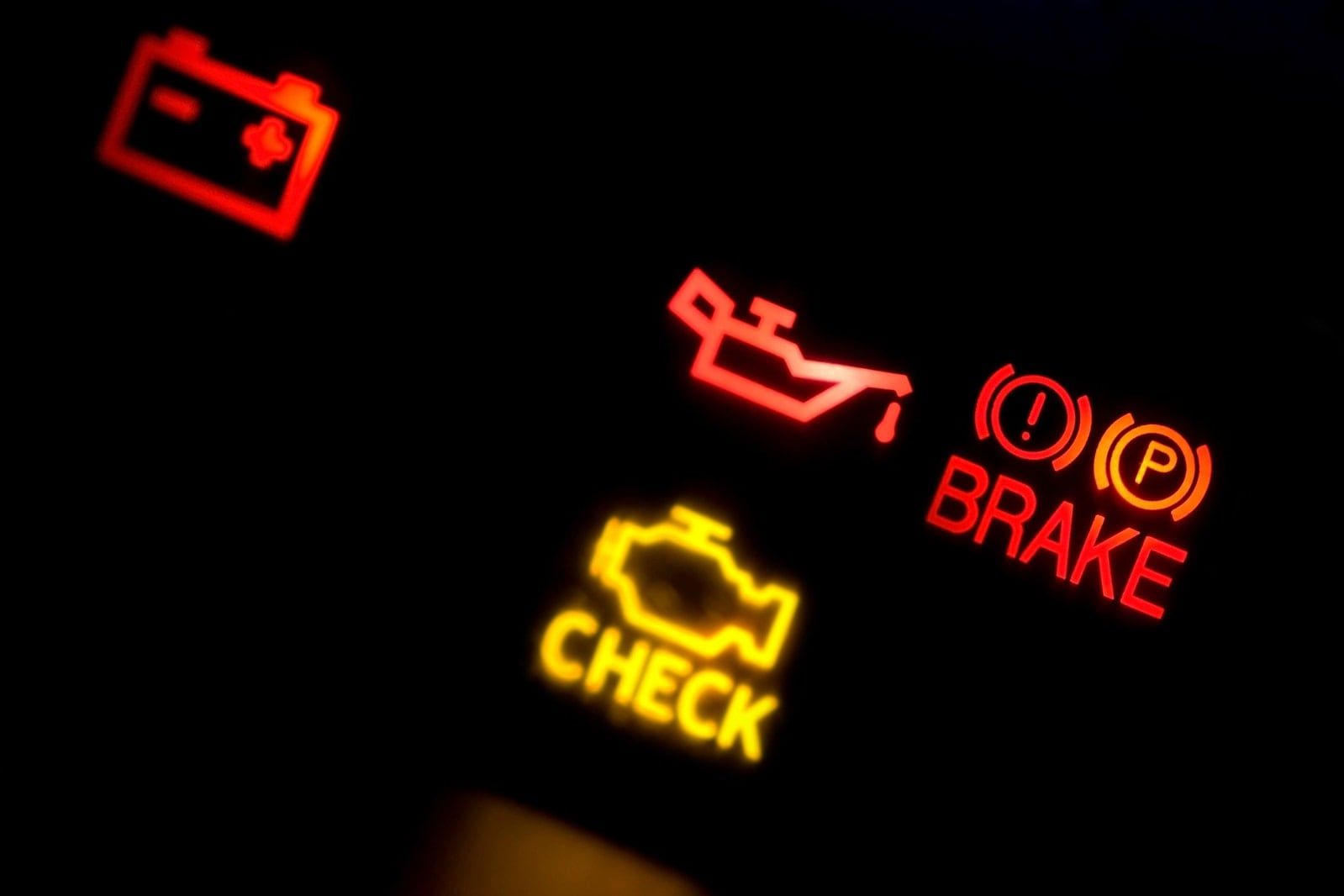
Few things ruin a commute like that little orange engine symptom lighting up on your dash. Is it serious? Can you keep driving? And why did it turn off on its own two days later?
At Elite Bros Automotive in Lewisville, the check engine light is one of the most common reasons drivers come see us. Here's what that light is really telling you, when to worry, and what it means for your emissions test in Denton County.
What the Check Engine Light Actually Means
Every car built since 1996 has an onboard computer system called OBD-II. It constantly monitors your engine, fuel system, ignition, and emissions equipment. When a sensor reports something outside of normal range, the computer stores a trouble code and turns on the check engine light.
That code can point to anything from a loose gas cap to a failing catalytic converter. The light alone doesn't tell you which. It only tells you something needs attention.
Solid vs. Flashing: Know the Difference
- Solid light: Something isn't right, but it's usually not an emergency. You can generally keep driving, but schedule a diagnosis soon. Small problems left alone tend to become expensive ones.
- Flashing light: This is serious. A flashing check engine light usually means the engine is misfiring badly enough that unburned fuel is entering the exhaust. That can overheat and destroy your catalytic converter, one of the most expensive parts on your car. Reduce your speed, avoid heavy acceleration, and get the car looked at as soon as possible.
If the light is flashing and the car is shaking, losing power, or smells like fuel, pull over safely and call for help instead of driving it in.
Why Did My Check Engine Light Go Off on Its Own?
This is one of the fastest-growing car questions in Texas right now. The short answer: the light turning off does not mean the problem is fixed.
Your car's computer turns the light off when the fault stops showing up for several drive cycles in a row. That happens a lot with:
- A loose gas cap that got tightened at the next fill-up
- Intermittent problems that only appear in certain conditions, like hot weather, cold starts, or highway speeds
- Sensors that are starting to fail and only send bad readings some of the time
- Minor misfires that come and go before a spark plug or ignition coil fails completely
Even after the light goes out, the trouble code usually stays stored in the computer's memory. A proper scan can still pull that history and show what triggered it. If the light came on once, it's worth checking before it comes back at a worse time.
The Most Common Causes
- Loose, cracked, or worn gas cap
- Failing oxygen sensor
- Worn spark plugs or a bad ignition coil
- Mass airflow sensor problems
- Evaporative emissions (EVAP) system leaks
- Vacuum leaks from cracked hoses
- Catalytic converter efficiency problems
What This Means for Your Denton County Emissions Test
Texas ended annual safety inspections for most personal vehicles in January 2025, but that didn't end inspections for everyone. Denton County is one of the counties where an annual emissions test is still required before you can renew your registration.
That test reads your car's OBD-II system directly. If your check engine light is on, your vehicle will fail.
Here's an insider tip most people learn the hard way: clearing the code right before your test doesn't work either. When codes are cleared, whether with a scanner or by disconnecting the battery, the car's self-tests (called readiness monitors) reset too. It can take days of normal driving for them to finish. If too many monitors aren't ready, the test station can't pass your vehicle. The only reliable way to pass is to fix the actual problem.
A Code Is Not a Diagnosis
Many parts stores will read your code for free, and that's a fine first step. But a code tells you where the computer noticed a problem, not what caused it.
Take a common catalytic converter code. It doesn't always mean the converter is bad. A faulty oxygen sensor, an exhaust leak, or an engine misfire can all trigger the same code. Replace the converter without checking those first, and you could spend well over a thousand dollars and still see the light come back.
Our owner spent years as a service advisor at a Toyota dealership and saw this pattern constantly: parts replaced based on a code alone, and customers back in the waiting room a few weeks later. At Elite Bros Automotive, we diagnose the cause before we recommend a single part, so you only pay for the repair your car actually needs.
What to Do When Your Check Engine Light Comes On
- Check whether it's solid or flashing. Flashing means get it looked at right away.
- Tighten your gas cap. Make sure it clicks. If that was the cause, the light should go off within a few days of driving.
- Notice how the car feels. Rough idle, hesitation, poor fuel economy, or strange smells are all clues worth sharing with your mechanic.
- Don't just clear it and forget it. Especially if your registration renewal is coming up.
- Get a real diagnosis. A full scan and inspection finds the cause, not just the code.
Check Engine Light Diagnosis in Lewisville
Whether your light is on, flashing, or came on once and disappeared, Elite Bros Automotive can find out why. Our team combines 7 years of dealership service advising with 15+ years of hands-on experience across Toyota, Honda, and many other makes. We'll explain what we find in plain English and give you an honest recommendation, no pressure and no upsell.
Don't let a warning light turn into a failed emissions test or a major repair. Schedule your check engine light diagnosis with Elite Bros Automotive in Lewisville today.