European Auto Repair in Lewisville, TX | BMW, Mercedes, Audi
European Auto Repair in Lewisville: What Actually Makes It Different

There's a specific moment that happens to a lot of BMW, Mercedes and Audi owners in North Texas. The factory warranty runs out, something needs attention, and the dealership quote arrives with a number on it that doesn't match the size of the problem.
The instinct is to find a cheaper shop. The fear is that a cheaper shop will make it worse. Both of those instincts are reasonable, and the way through them is understanding what European service actually requires — so you can tell the difference between a shop that's equipped for your car and one that's guessing.
Why these cars genuinely cost more to service
Some of the price gap is badge. Most of it isn't.
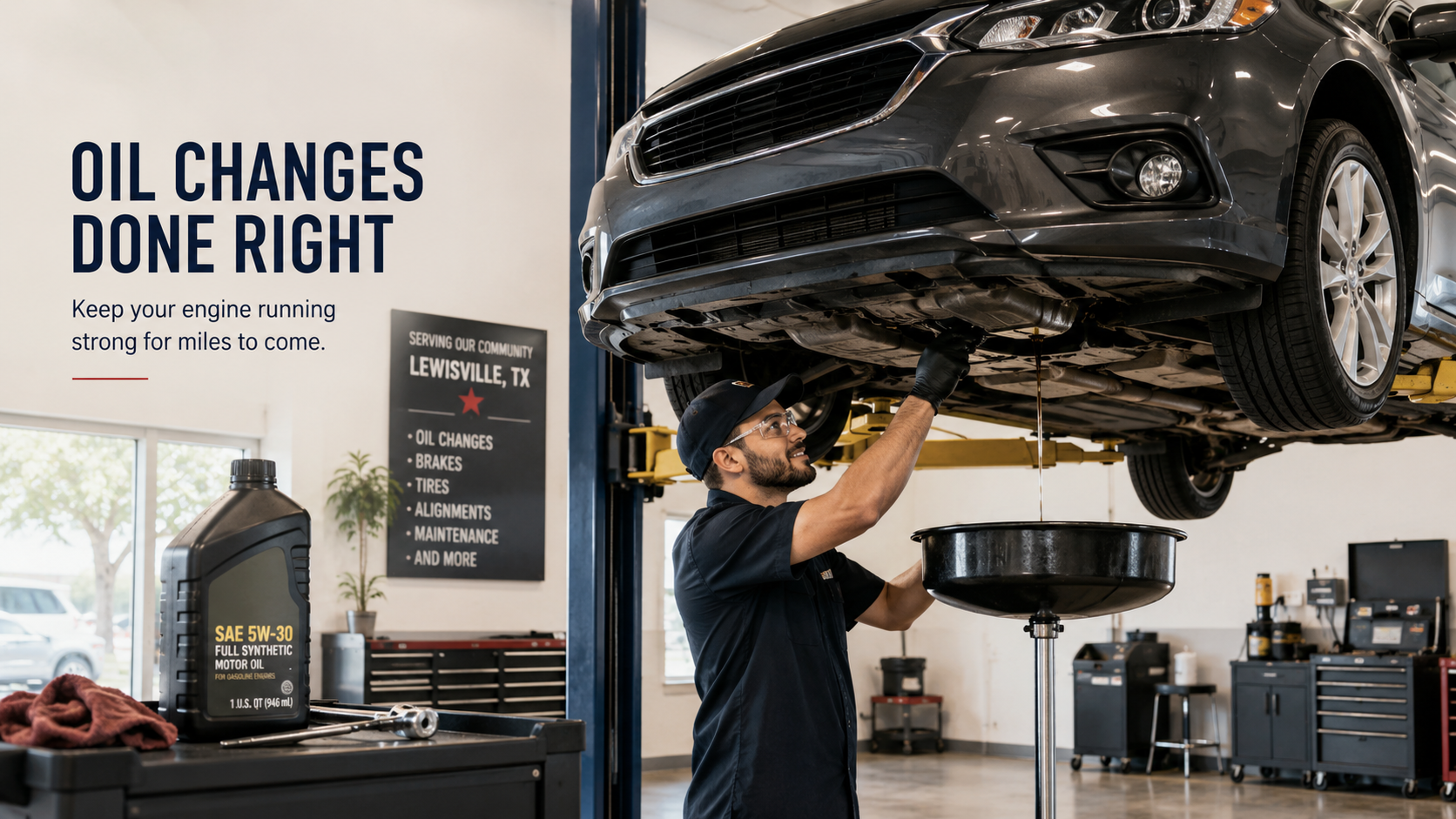
The fluids are specified, not suggested. A European engine doesn't take "5W-30." It takes an oil carrying a specific manufacturer approval — BMW Longlife-01 or LL-17FE+, Mercedes-Benz 229.5 or 229.51, VW/Audi 502 00 or 504 00. These approvals govern additive chemistry, shear stability and ash content, and they exist because these engines run longer service intervals, tighter tolerances and, in many cases, particulate filters that specific additives will clog. An oil that meets the viscosity but not the approval is the wrong oil. Same story for coolant, brake fluid and transmission fluid.
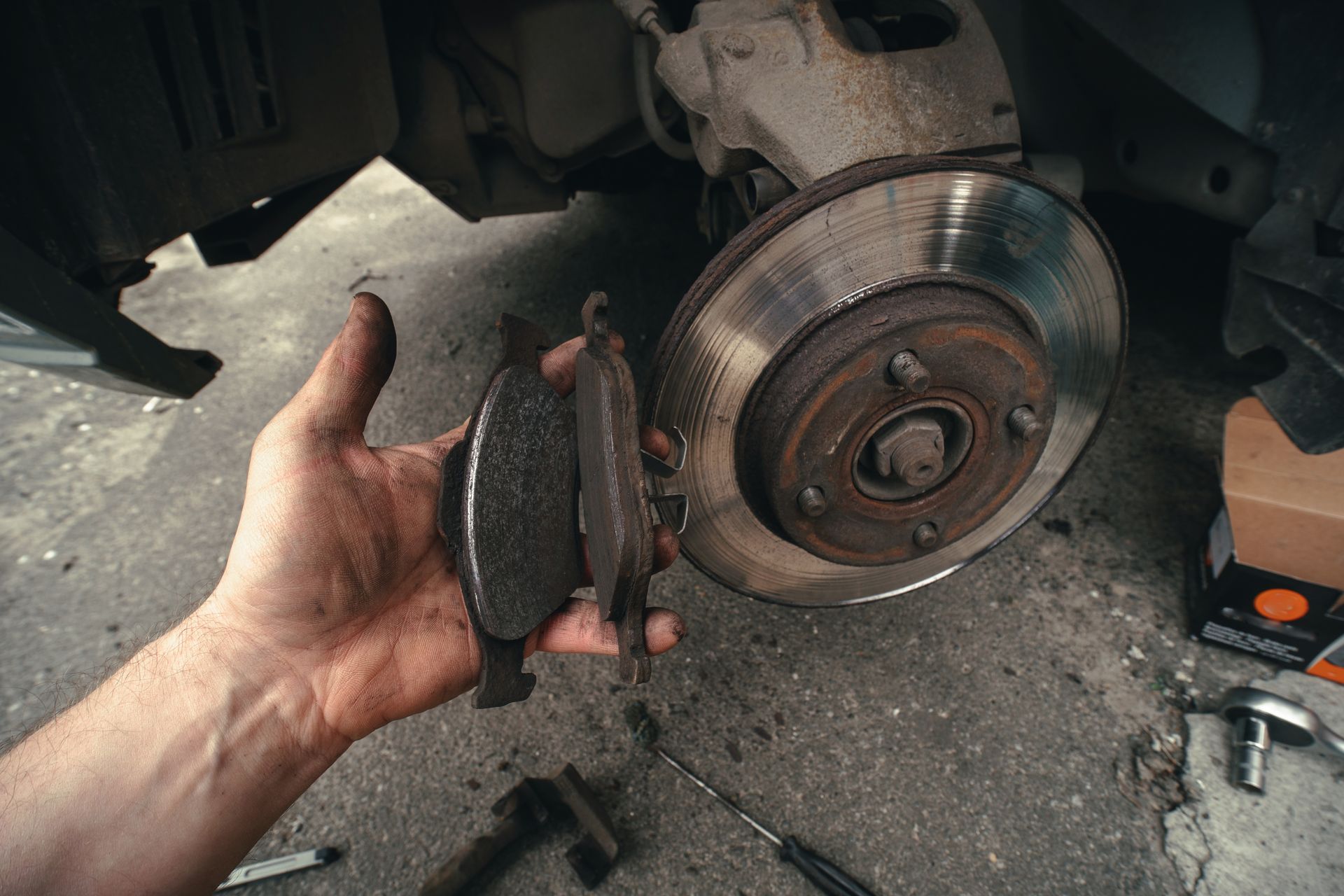
Parts are dense and labor times are longer. More is packed into the same engine bay. A job that's an hour on a domestic sedan can be three on a German one, not because the technician is slower but because there's more to remove to reach the part.
Many parts have to be told they exist. This is the one that surprises people most. On a modern European car, replacing a component isn't always the end of the job:
A new battery on a BMW has to be registered to the power management system. Skip it and the car keeps charging to the old battery's profile — the new one dies early.- Brake work on many Mercedes and BMW models requires putting the electronic parking brake into service mode, then recalibrating it.
- Air suspension on a Mercedes or Audi requires calibration to ride height after a strut or compressor.
- VW and Audi use component protection, which locks certain modules to a specific vehicle until they're released electronically.
None of that is optional, and none of it happens with a hand tool.
Generic scan tools don't see the whole car
A basic OBD-II reader pulls generic powertrain codes. That's the shared language every car built since 1996 has to speak, and it's a small fraction of what a European car is actually saying.
Your car has dozens of control modules on its network, and the manufacturer-specific codes — the ones that tell you which of the four possible causes is the real one — need a platform that speaks that manufacturer's protocol. BMW, Mercedes and Audi/VW each have their own factory diagnostic system, and a serious European shop runs either those or a professional-grade equivalent.
This is the single best question to ask any shop before you hand over the keys:
what do you use to diagnose my make? The answer tells you more than any review will. [INSERT WHAT YOUR SHOP USES.]
The wear items we see most
These aren't defects so much as known service points. Knowing yours turns a surprise into a scheduled repair.
BMW (N20/N26 four-cylinder, 2012–2016 328i, X1, X3): oil filter housing gasket and valve cover gasket leaks are close to universal by 60–80k miles. Early N20 timing chain guides are worth inspecting.
BMW (N54/N55 six-cylinder): high-pressure fuel pump, charge pipe on turbocharged models, valve cover and oil filter housing gaskets.
Mercedes-Benz: Airmatic suspension compressors and struts on models equipped with it, engine and transmission mounts that collapse and telegraph vibration into the cabin, and on older 722.6 automatics, the conductor plate and 13-pin connector.
Audi / VW (EA888 2.0T): the plastic water pump and thermostat housing, PCV valve diaphragms, and carbon buildup on the intake valves — a direct-injection issue that needs the intake removed and the valves media-blasted, not a bottle of cleaner in the fuel tank.
The pattern across all of them:
these are inexpensive repairs early and expensive ones late. An oil filter housing gasket caught as a seep is a gasket. Left alone, that oil saturates the serpentine belt, the belt shreds, and now you're paying for the gasket plus a belt, a tensioner, possibly a pulley, and the labor to clean up the mess.
No, an independent shop doesn't void your warranty
This one keeps people at the dealership years longer than they need to be, and it isn't true.
Under the federal
Magnuson-Moss Warranty Act, a manufacturer or dealer cannot void your warranty or deny a claim simply because someone else did the work. The FTC puts it plainly: it's illegal for a dealer to deny warranty coverage because routine maintenance or repairs were done elsewhere.
If a manufacturer wants to deny a specific claim, the burden is on them to demonstrate that the outside work is what caused the failure — not that outside work happened.
Two things protect you:
Use parts and fluids that meet the manufacturer's specification. This is the real reason those oil approvals matter.- Keep every receipt and service record. The FTC's own guidance is to keep all service records regardless of who performed the service. A documented maintenance history is your evidence.
Do those two things and you have the same warranty you had before, at an independent shop's labor rate.
Three questions to ask before you book
- What diagnostic equipment do you use for my make?
- What oil are you putting in, and what manufacturer approval does it carry?
- What warranty comes with the parts and the labor?
A shop that's genuinely set up for European work answers all 3 without hesitating.
At Elite Bro's Automotive, we are prepared for your special european vehicle.